LIBERTÉ, ÉGALITÉ, FRATERNITÉ
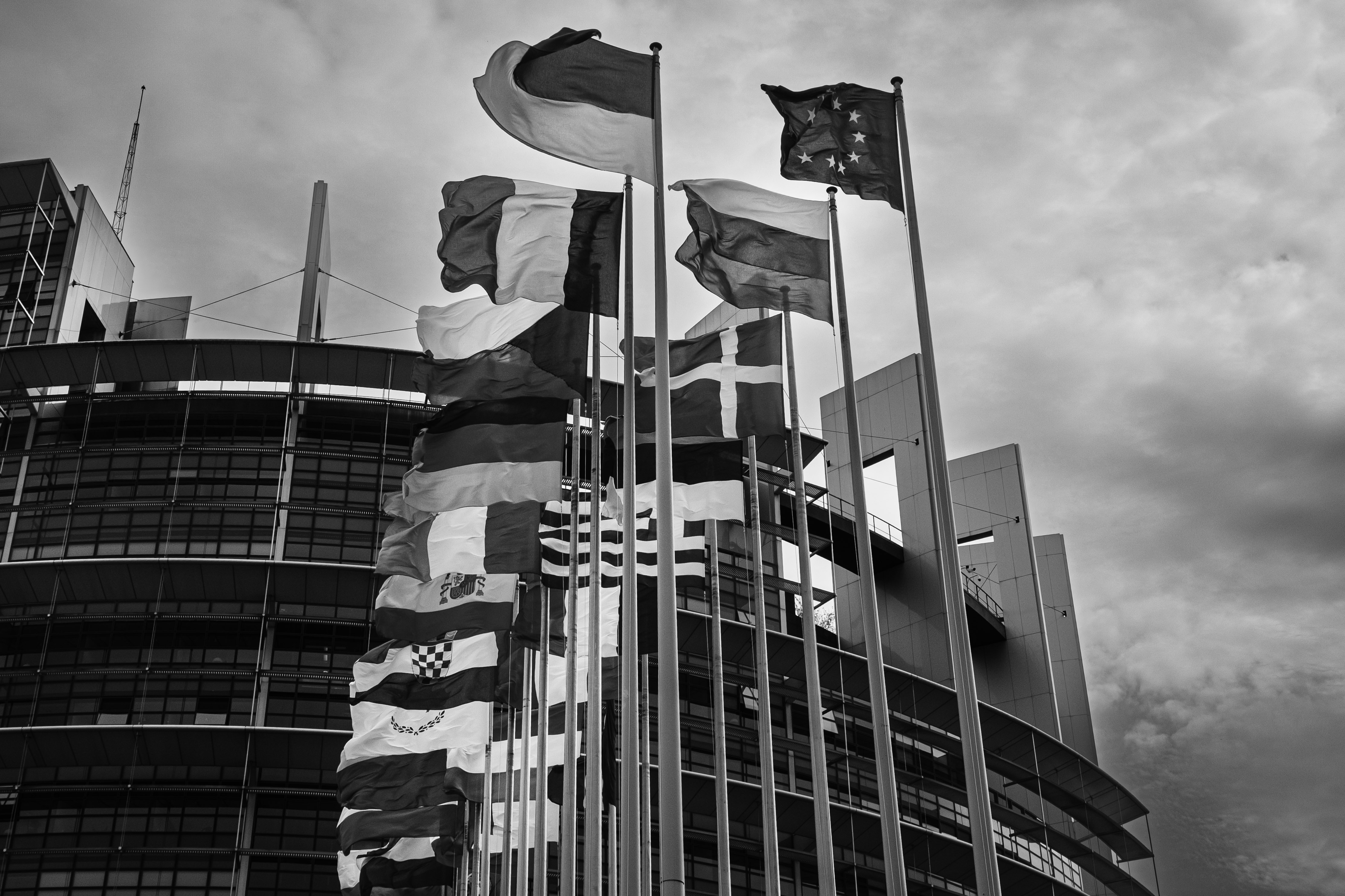
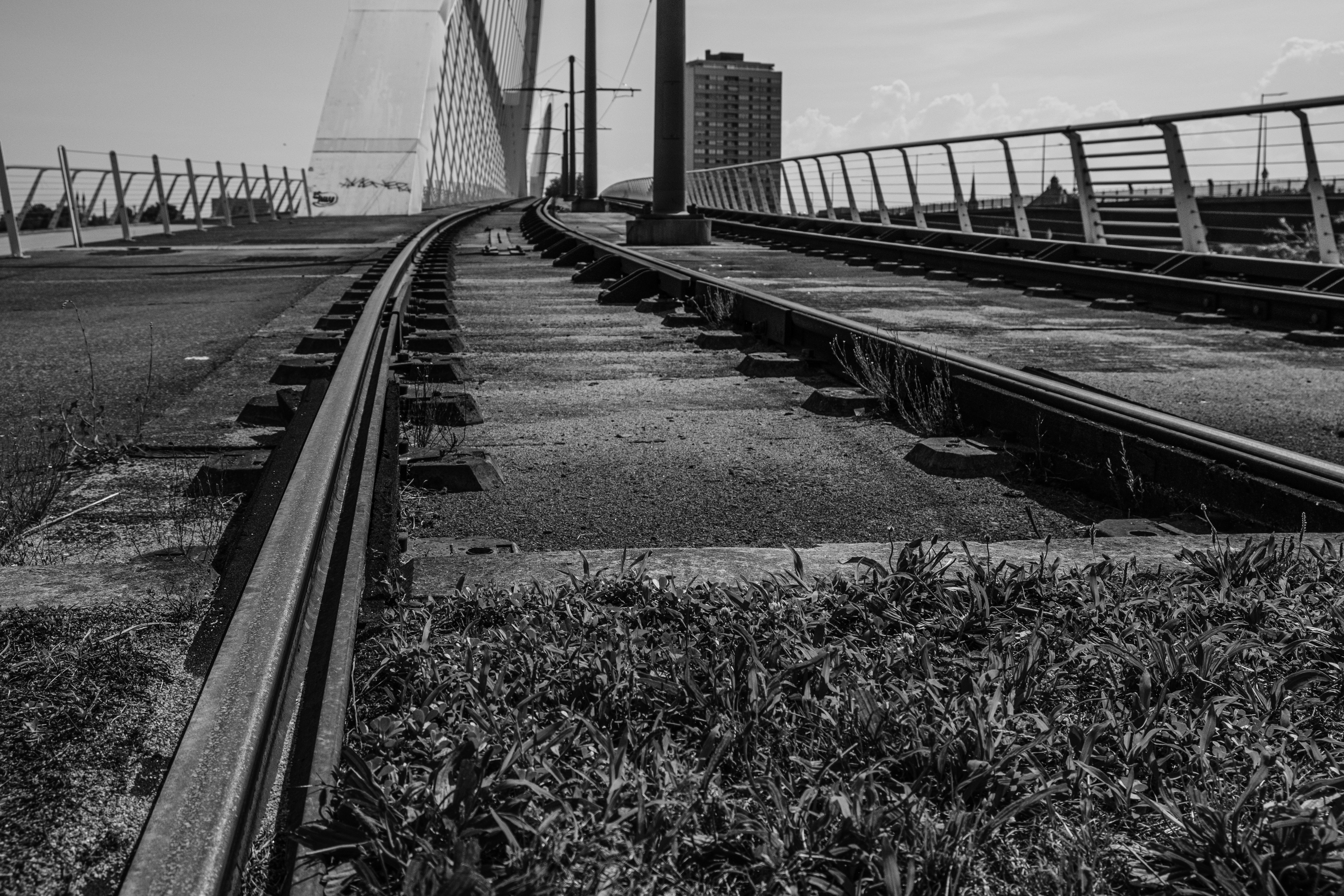
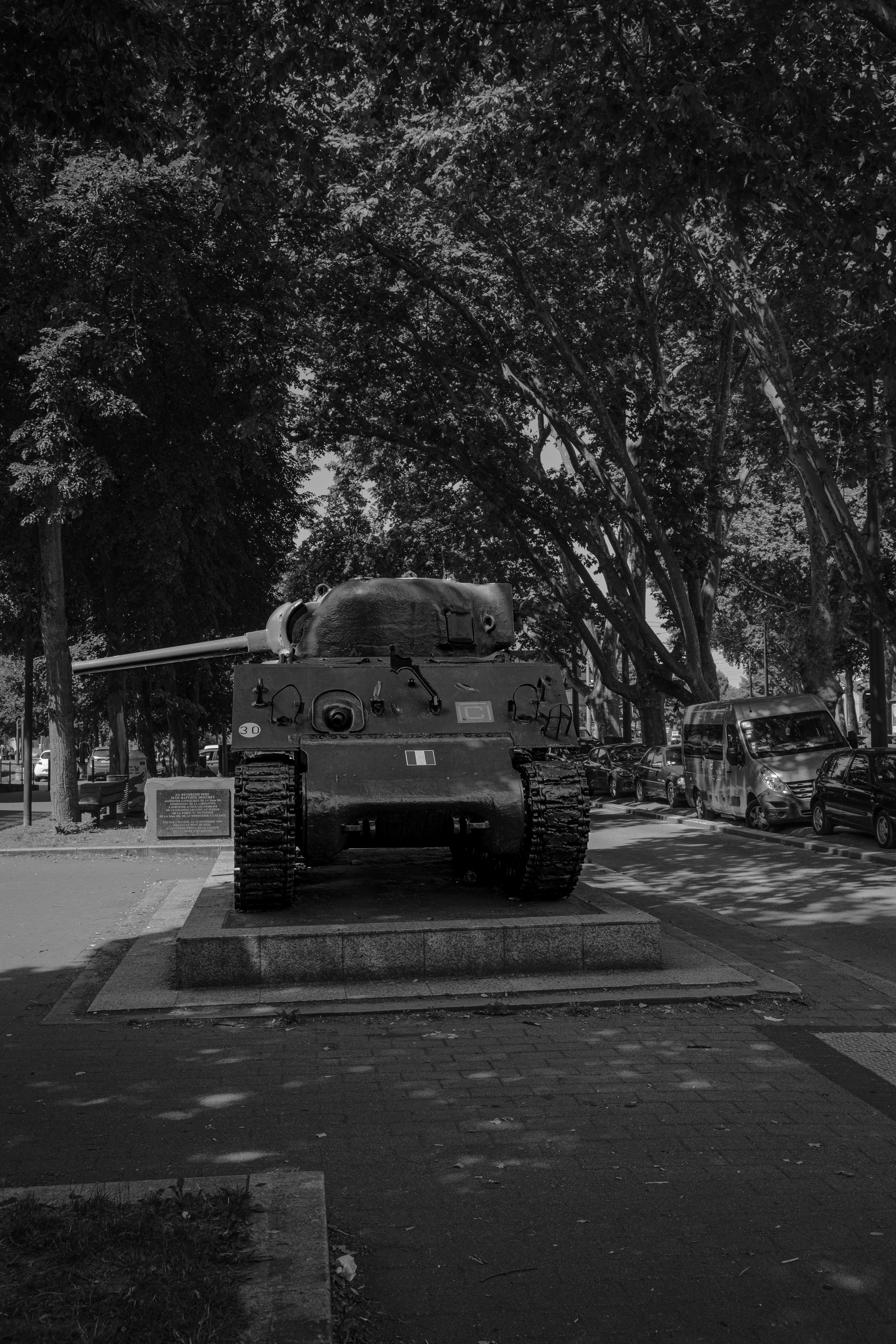
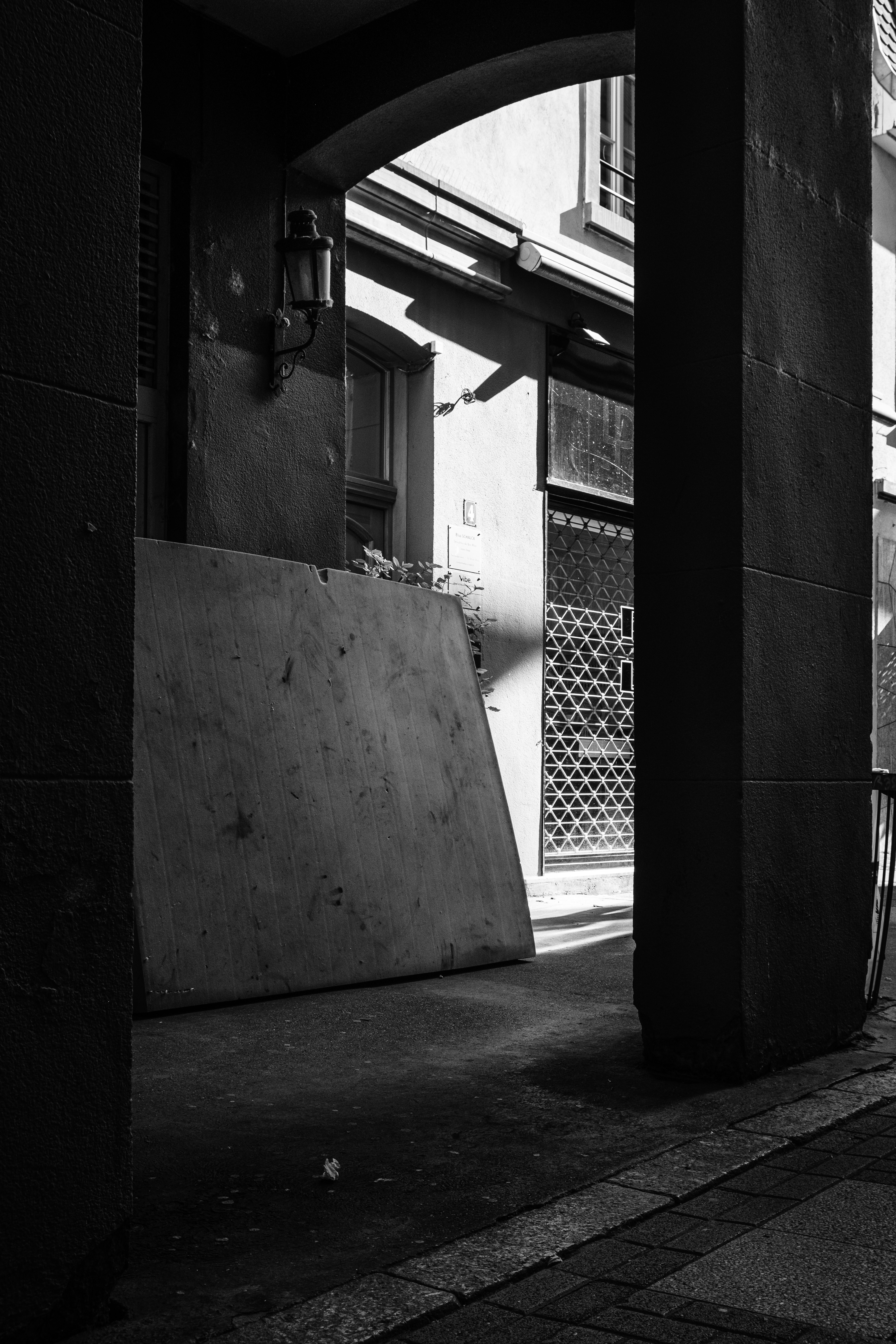
Em 2026, iniciei uma série de ensaios fotográficos sobre a distância entre o discurso e a prática na cidade de Estrasburgo. Este trabalho foi concebido para contar a história de uma contradição inscrita no próprio território, onde direitos anunciados como universais são, muitas vezes, vividos como exceção. Essas imagens oferecem uma breve arqueologia visual de uma era em que a Europa reafirma os seus valores universais. Estrasburgo — capital institucional dos direitos humanos europeus, sede do Parlamento Europeu, do Conselho da Europa e do Tribunal Europeu dos Direitos Humanos — é a cidade onde o ideal europeu está literalmente edificado em monumento e bandeira.
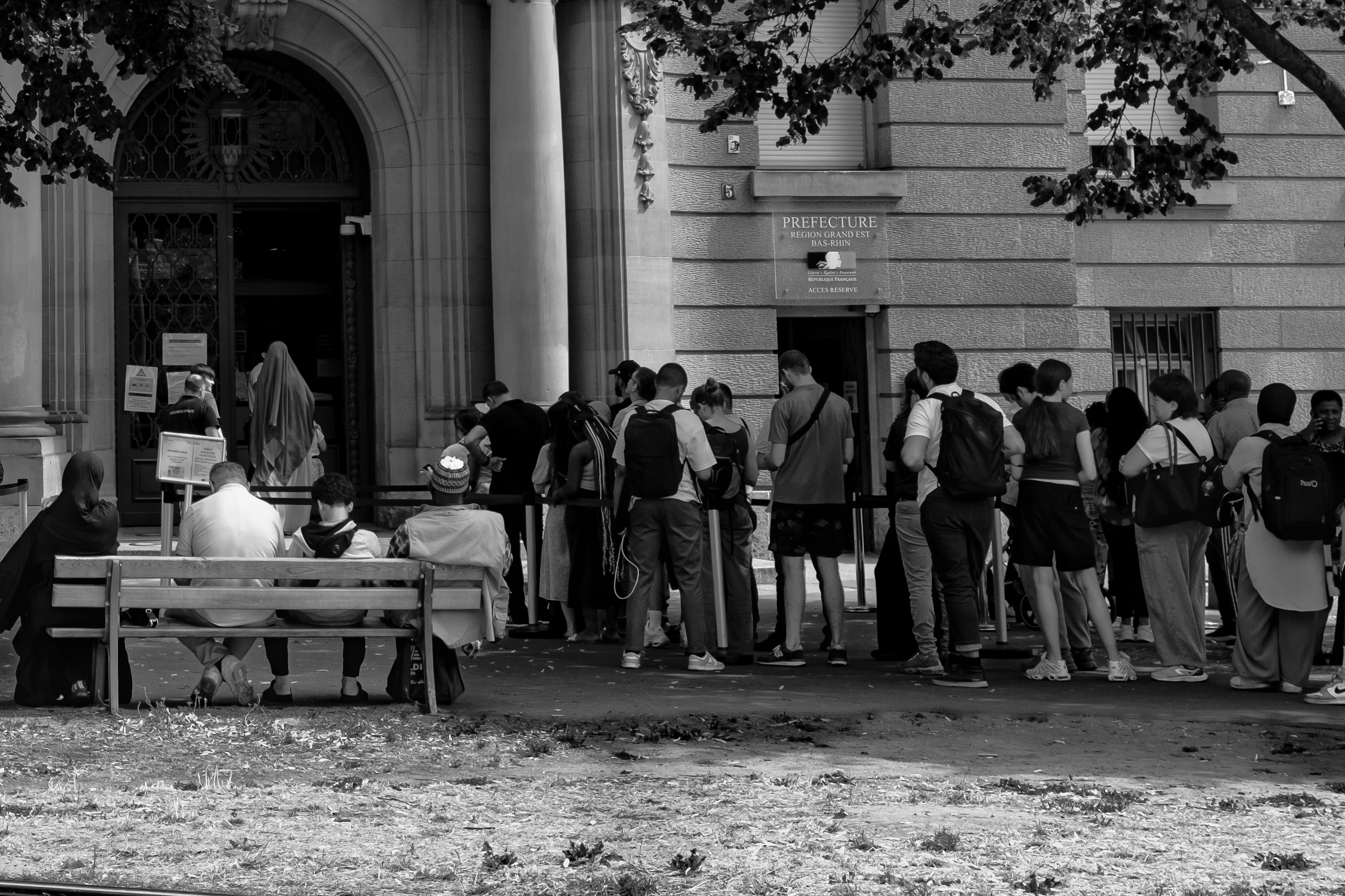
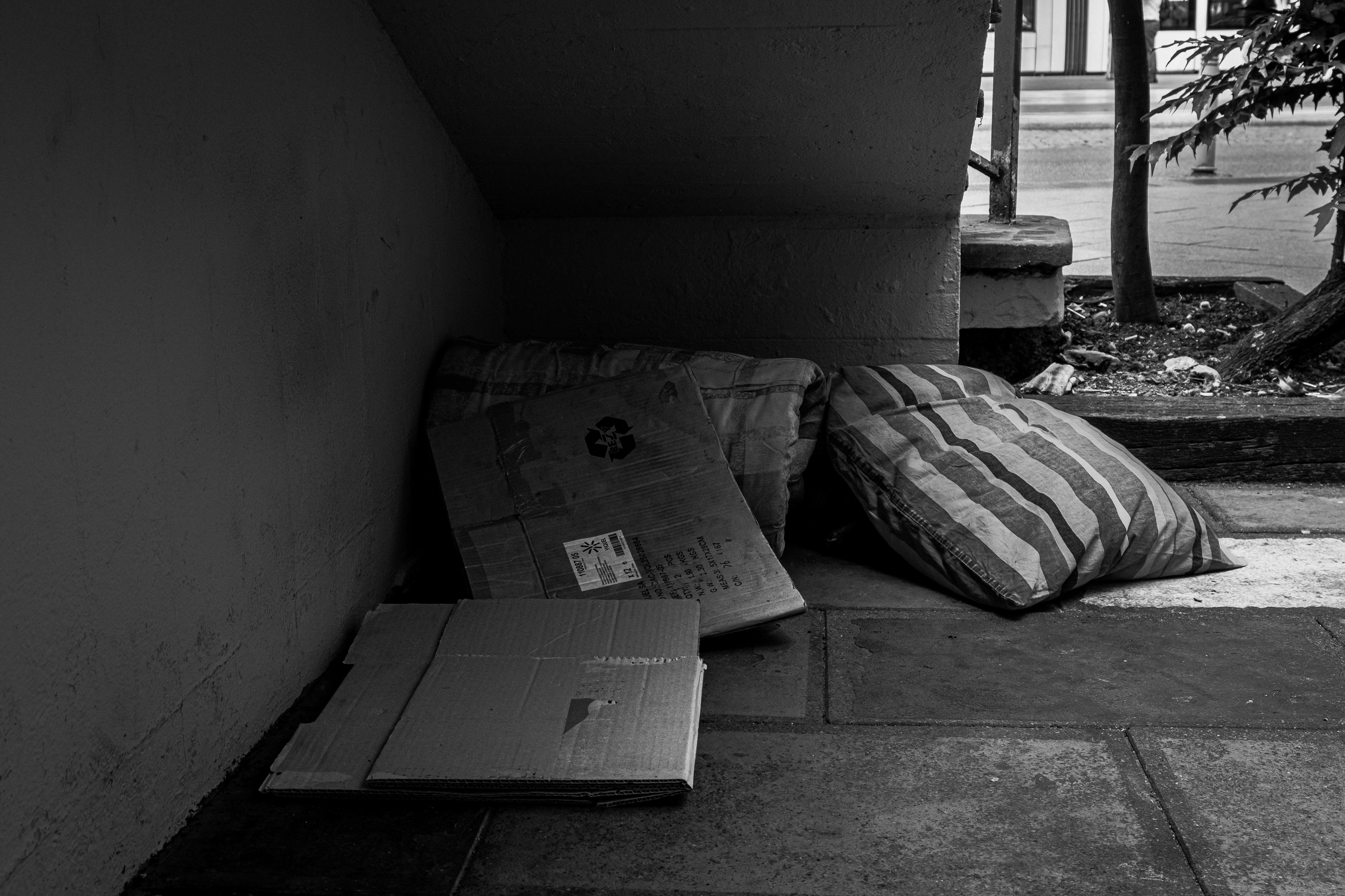
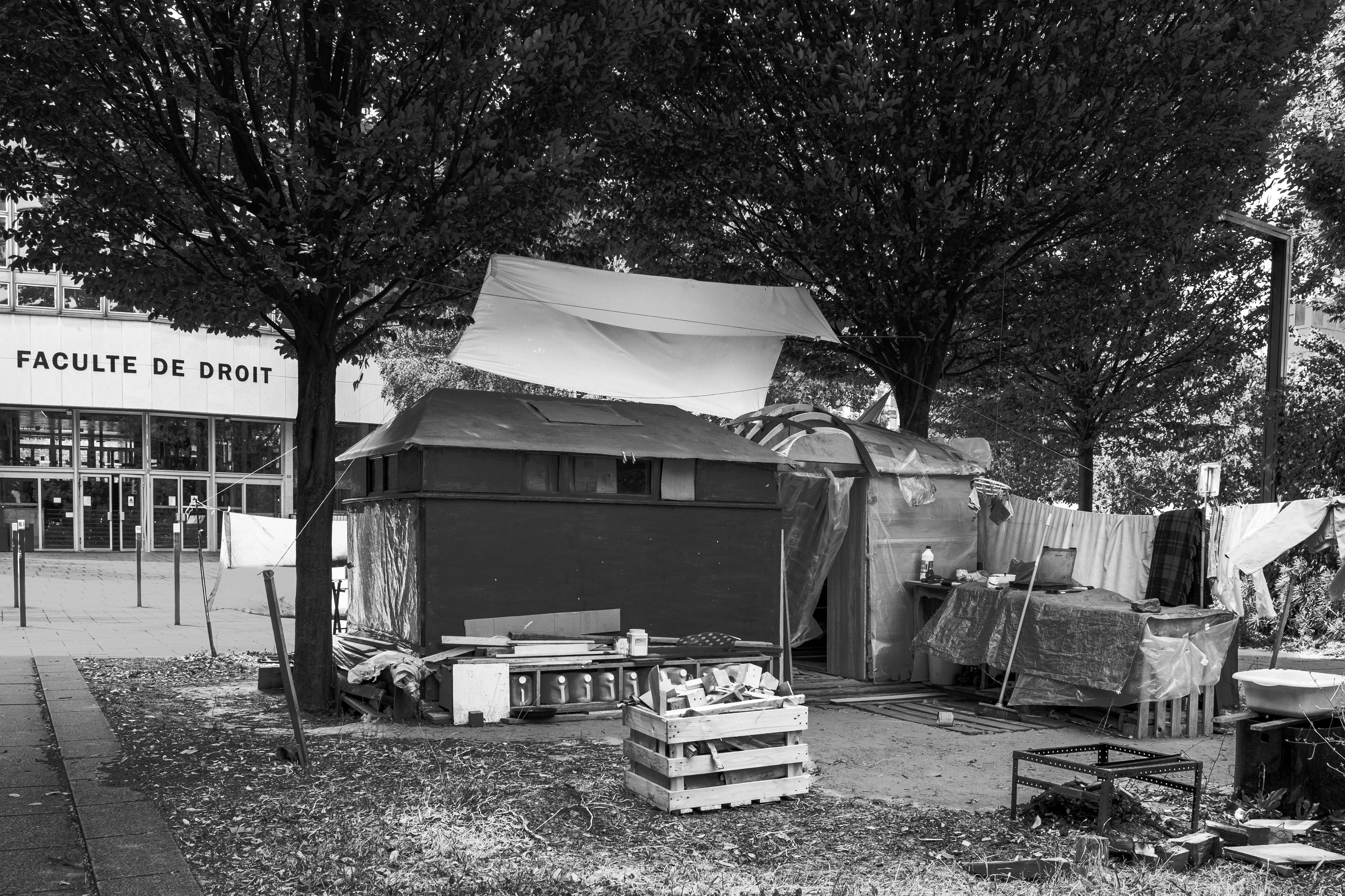
Mas todo ideal encontra os seus limites: os direitos humanos tornaram-se arquitetura, linguagem e símbolo para os europeus. Outros, que teoricamente deveriam se beneficiar dos mesmos direitos gravados nas fachadas institucionais, continuam a chegar de territórios atravessados pela guerra, pela pobreza ou pela instabilidade.
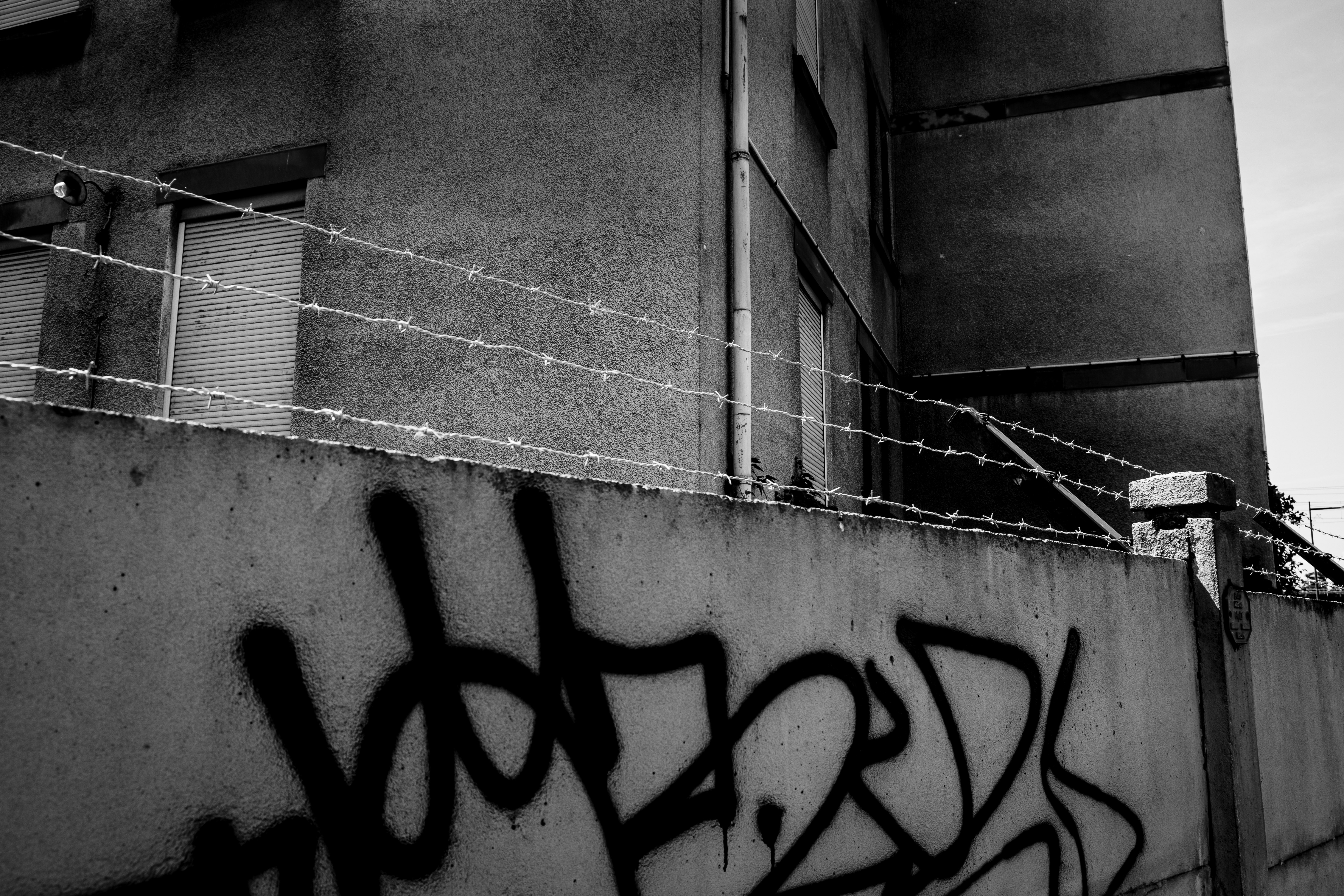
À medida que as fronteiras se fecham e as políticas migratórias endurecem, mulheres e homens continuam a atravessá-las, lembrando à Europa a promessa gravada nas suas próprias paredes. O destino dessas pessoas é reivindicar o mundo que lhes foi prometido, recomeçar a vida em outro chão, insistir que nenhum direito anunciado como universal seja vivido como exceção. Resta, porém, o sonho de que a promessa inscrita na pedra venha um dia a valer para quem chega — e é esse sonho que sustenta a travessia.
In 2026, I began a series of photographic essays on the distance between discourse and practice in the city of Strasbourg. This work was conceived to tell the story of a contradiction inscribed in the territory itself, where rights proclaimed as universal are often experienced as an exception. These images offer a brief visual archaeology of an era in which Europe reaffirms its universal values. Strasbourg — institutional capital of European human rights, seat of the European Parliament, the Council of Europe and the European Court of Human Rights — is the city where the European ideal is literally built into monument and flag.
But every ideal meets its limits: human rights have become architecture, language and symbol for Europeans. Others, who in theory should benefit from the same rights engraved on the institutional facades, keep arriving from territories crossed by war, poverty or instability.
As borders close and migration policies harden, women and men keep crossing them, reminding Europe of the promise engraved on its own walls. The destiny of these people is to reclaim the world they were promised, to rebuild their lives on another soil, to insist that no right proclaimed as universal be experienced as an exception. What remains, nonetheless, is the dream that the promise inscribed in stone may one day hold for those who arrive — and it is this dream that sustains the crossing.
Estrasburgo, França, 2026.
Strasbourg, France, 2026.